
Bruce Springsteen Has Never Whispered in the Face of Power — and on “Streets of Minneapolis,” He Doesn’t Start Now
There are moments when protest music stops asking for permission and simply lights the match. Bruce Springsteen’s newly released video for “Streets of Minneapolis” arrives like a clenched fist through the screen — raw, immediate, and furious — a reminder that when history tilts toward cruelty, The Boss still knows exactly where to stand.
Released barely days after it was written and recorded, the song feels less like a studio product and more like an emergency broadcast. Springsteen performs alone in his home studio, guitar strapped tight, jaw set, eyes burning with a familiar, unromantic resolve. Intercut with his performance is unsettling footage from ICE clashes with demonstrators in Minneapolis — not graphic, but devastating in its restraint. The power comes from implication: the boots, the shields, the bodies pressed to frozen streets. The silence between images does as much damage as the noise.
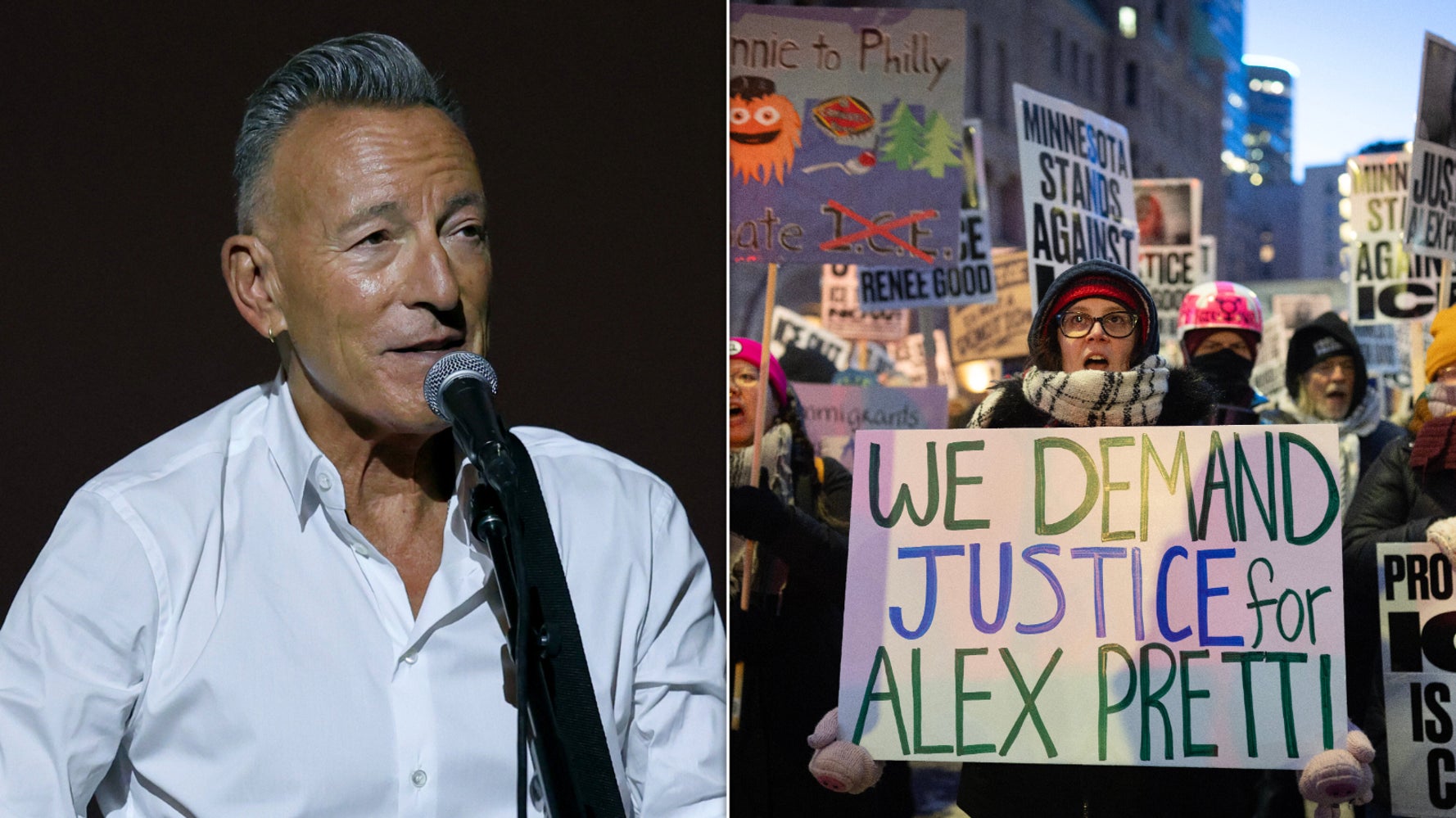
Springsteen doesn’t cloak his anger in metaphor. He names it. He aims it. He sings of “a city aflame fighting fire and ice ’neath an occupier’s boots,” before delivering the line that has already ignited debate across social media and cable news alike: “King Trump’s private army from the DHS.” It’s a lyric that refuses neutrality — and refuses to care whether neutrality is comfortable.
Musically, “Streets of Minneapolis” carries the ghost of Springsteen’s own past. The title inevitably recalls his Oscar-winning “Streets of Philadelphia,” but this is no elegy. Where that song mourned quietly, this one accuses. Its phrasing and cadence echo the protest lineage of Woody Guthrie and Bob Dylan — music built not to soothe, but to remember and to resist. This is Springsteen stepping squarely into the American folk tradition that treats songwriting as civic duty.
In a brief but potent statement accompanying the release, Springsteen explained the urgency: “I wrote this song on Saturday, recorded it yesterday and released it to you today in response to the state terror being visited on the city of Minneapolis.” He dedicated the track to “the people of Minneapolis, our innocent immigrant neighbors,” and to the memory of Alex Pretti and Renee Good, whose deaths the song refuses to let fade into statistics.
The emotional center of the track lands hardest when Springsteen sings, “There were bloody footprints / Where mercy should have stood / And two dead left to die on snow-filled streets.” He doesn’t rush the names. He lets them sit in the cold air. Alex Pretti. Renee Good. Saying them feels like an act of defiance in itself.
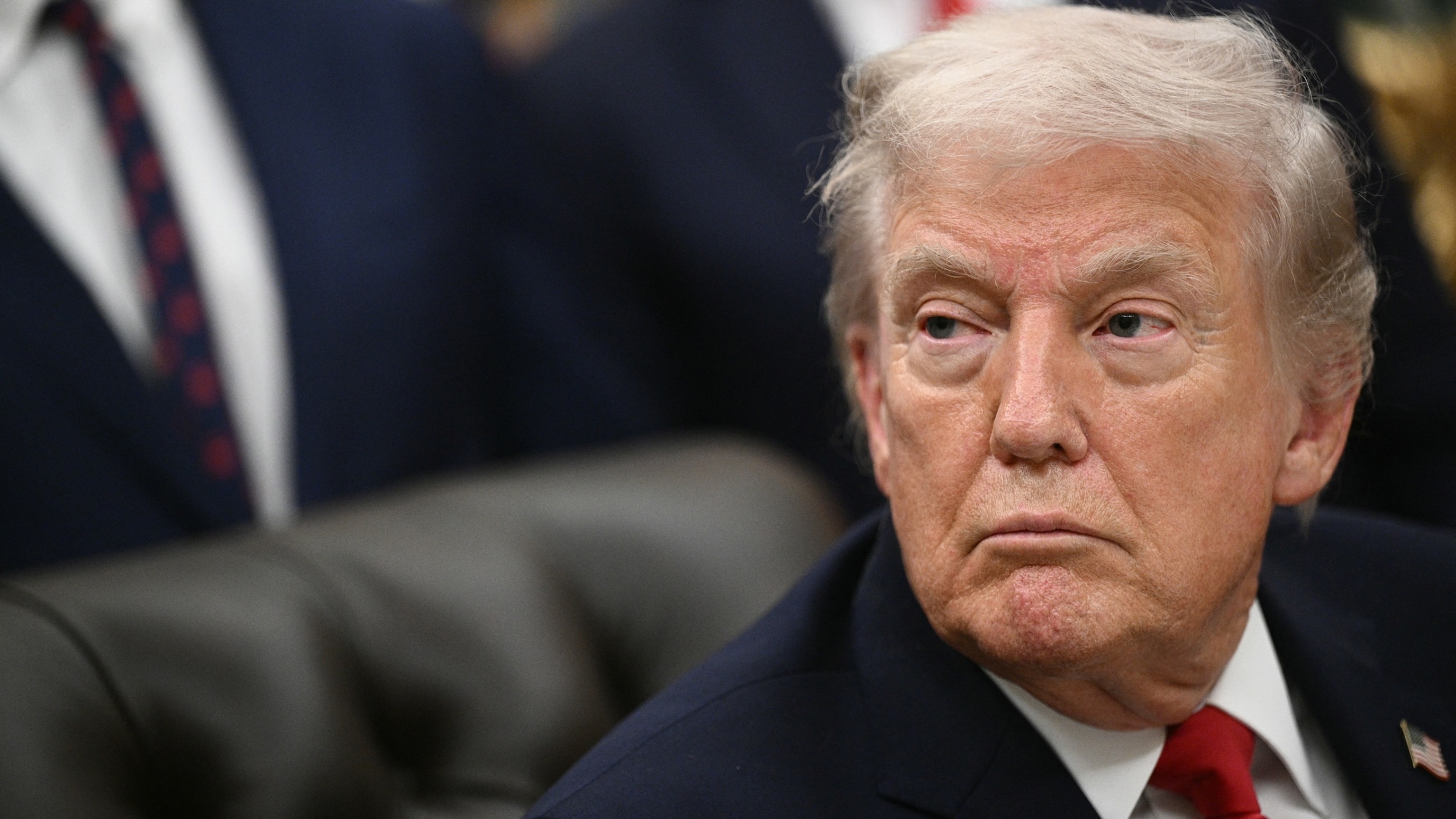
By the time the song reaches its closing lines — “We’ll take our stand for this land / And the stranger in our midst / We’ll remember the names of those who died / On the streets of Minneapolis” — it’s clear this is not a song chasing charts or radio play. It’s chasing accountability.
The reaction has been immediate — and volcanic. Fans flooded the comments within minutes of the video’s release.
“This is why Bruce matters,” one viewer wrote. “He doesn’t wait for history to make him look brave. He shows up while it’s still dangerous.”
Another commented, “I grew up on Springsteen for the anthems. I stay for the conscience.”
Not everyone applauded. Critics accused Springsteen of being divisive, of stepping outside music’s “proper” role. The irony, of course, is that Springsteen has spent his entire career proving that music has never been separate from politics — only from denial.

What makes “Streets of Minneapolis” so unsettling isn’t just its anger — it’s its speed. This is art responding in real time, refusing the luxury of hindsight. There’s no polish meant to soften the blow, no distance to dull the truth. It feels recorded with the door still open, history shouting from the street outside.
At 76, Springsteen could be coasting on legacy tours and greatest-hits nostalgia. Instead, he’s releasing a song that risks alienation, backlash, and fatigue — because silence would cost him more.
Rolling Stone once called Springsteen “rock’s greatest chronicler of the American promise and its failures.” With “Streets of Minneapolis,” he proves he’s still writing that chronicle — not in past tense, but right now, while the ink is still wet and the streets are still cold.
This isn’t a song asking you to agree.
It’s a song daring you not to look away.
