The phrase “Pentagon warns US cities of nuclear threat” immediately evokes fears of global war and the possibility of World War 3. While dramatic headlines often amplify anxiety, nuclear threats remain a serious national security concern rooted in geopolitical tensions, military strategy, and technological advancements. When the The Pentagon issues warnings about nuclear risks, it typically reflects intelligence assessments, global instability, or emerging threats from rival nations rather than an immediate countdown to nuclear war.
Understanding the Pentagon’s Role
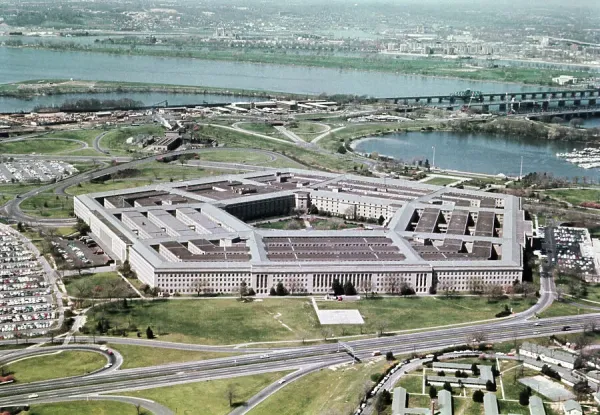
The Pentagon is the headquarters of the United States Department of Defense (DoD), located in Arlington, Virginia. It coordinates military policy, intelligence analysis, and national defense strategy. When officials warn about nuclear threats, they rely on classified intelligence from agencies such as the CIA, NSA, and military commands. These warnings may involve:
- Rising tensions with nuclear-armed states
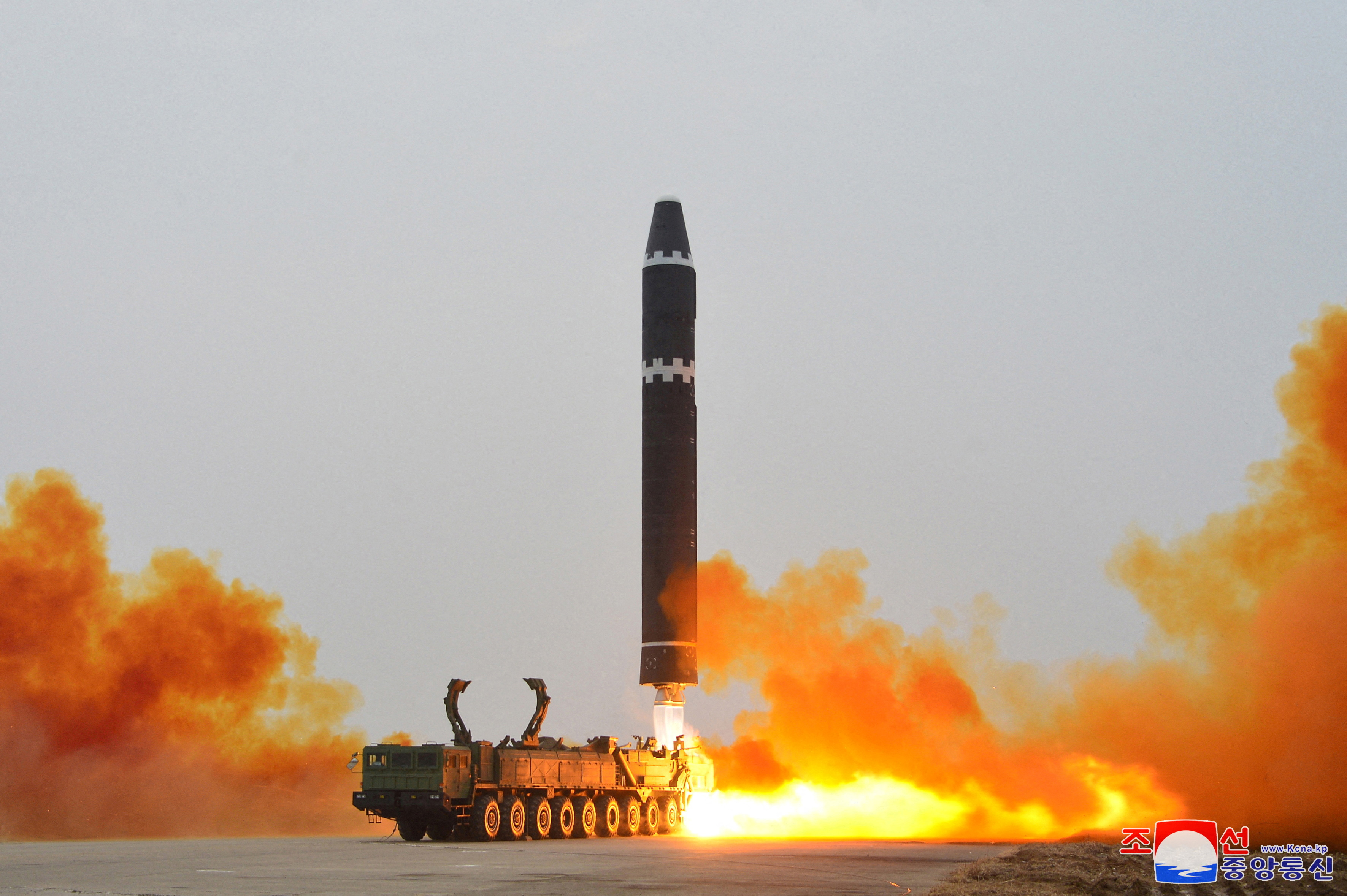
- Missile tests or military buildups
- Cyber threats to nuclear command systems
- Escalating regional conflicts that could draw in major powers
Such alerts are often preventive measures designed to increase readiness rather than declarations of imminent war.
The Global Nuclear Landscape
Today, several countries possess nuclear weapons. The largest arsenals belong to the United States and Russia, who together hold over 90% of the world’s nuclear warheads. Other nuclear-armed states include China, North Korea, India, Pakistan, United Kingdom, France, and widely believed, Israel.
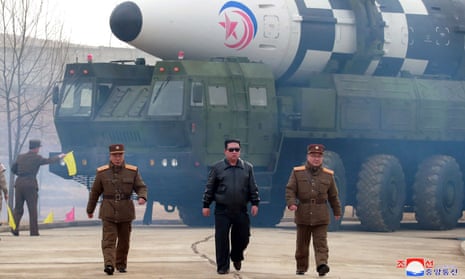
Geopolitical conflicts—such as tensions between the U.S. and Russia over Eastern Europe, rising competition with China in the Indo-Pacific, and North Korea’s missile development—have fueled concerns about escalation. While none of these situations automatically equate to World War 3, military analysts evaluate worst-case scenarios to prepare for potential nuclear risks.
What Would a Nuclear Threat to U.S. Cities Mean?
If intelligence suggests a credible nuclear threat to U.S. cities, it could involve several possible scenarios:
- Intercontinental Ballistic Missiles (ICBMs) launched from another country.
- Submarine-Launched Ballistic Missiles (SLBMs) fired from nuclear submarines positioned offshore.
- Shorter-range missiles or hypersonic weapons deployed by adversaries.
- Nuclear terrorism, involving smuggled devices or “dirty bombs.”
- Cyberattacks targeting nuclear infrastructure or warning systems.
Major cities such as New York, Los Angeles, Washington D.C., and Chicago are often referenced in hypothetical scenarios because they are political, economic, and population centers. However, U.S. defense planning includes layered detection systems, missile defense networks, and retaliatory capabilities intended to deter such attacks.
The Concept of Deterrence
The foundation of nuclear security strategy is “Mutually Assured Destruction” (MAD). This doctrine holds that if one nuclear power launches an attack, the other will respond with overwhelming force, ensuring both sides suffer catastrophic losses. Paradoxically, this balance of terror has prevented direct nuclear war between major powers since 1945.
Organizations such as NATO rely on collective defense agreements to discourage aggression. Any nuclear strike on a member nation could trigger a broader military response. As a result, nuclear threats are often more about political signaling than actual intent to attack.
Could World War 3 Happen?
The term “World War 3” is often used loosely in media or online discussions. A true world war would involve multiple major powers engaged in large-scale combat across several continents. While current geopolitical tensions are serious, experts generally assess that global leaders understand the devastating consequences of nuclear war.
Still, risks exist. Miscommunication, accidental launches, cyber interference, or rapid escalation during a regional conflict could increase the danger. Modern warfare also includes space systems, artificial intelligence, and cyber operations, adding complexity to crisis management.
U.S. Preparedness and Defense Systems
The United States maintains several systems designed to detect and intercept nuclear threats:
- Early-warning satellites that track missile launches
- Ground-based interceptors in Alaska and California
- A network of radar stations across the globe
- The nuclear triad: land-based missiles, submarine-launched missiles, and strategic bombers
These systems are meant to ensure both defense and credible deterrence. The existence of these capabilities is one reason why potential adversaries may hesitate to initiate conflict.
Public Reaction and Media Influence
When news outlets report that the Pentagon has warned of nuclear threats, public anxiety can rise quickly. Social media can amplify rumors, sometimes spreading misinformation or exaggerated interpretations. It’s important to distinguish between routine defense assessments and verified, imminent threats.
Governments often communicate carefully to avoid panic. Warnings may be part of strategic messaging—intended to deter adversaries by signaling readiness—rather than indications of unavoidable war.
Civil Defense and Emergency Preparedness
While nuclear war remains unlikely, emergency preparedness agencies provide general guidance for worst-case scenarios. Basic recommendations include:
- Identifying shelter locations (basements or interior rooms)
- Storing emergency supplies (water, food, flashlights)
- Monitoring official government alerts
- Understanding evacuation routes if necessary
During the Cold War, civil defense drills were common. Today, preparedness is more integrated into broader disaster response planning rather than focused exclusively on nuclear conflict.
The Broader Strategic Picture
The modern nuclear environment differs from that of the Cold War. Instead of two dominant superpowers, the world now has multiple nuclear-armed states with varying doctrines and technologies. Hypersonic missiles, cyber warfare, and space-based systems create new challenges for deterrence and defense.
Diplomatic efforts, arms control treaties, and communication hotlines remain essential tools for reducing risks. Agreements such as the New START treaty between the U.S. and Russia have aimed to limit deployed strategic warheads, although arms control frameworks face political strain.
Conclusion
A “Pentagon warning” about nuclear threats does not automatically mean World War 3 is imminent. Rather, it reflects the responsibility of defense officials to assess and prepare for potential dangers in an unpredictable global landscape. Nuclear weapons remain among the most destructive forces ever created, and even the possibility of their use demands vigilance.
At the same time, deterrence strategies, international diplomacy, and global awareness have thus far prevented nuclear conflict between major powers. While tensions rise and fall, most security experts agree that the catastrophic consequences of nuclear war make it a last resort for rational actors.
The fear associated with nuclear threats is understandable. However, informed understanding—grounded in strategic realities rather than sensational headlines—offers a clearer perspective. The Pentagon’s warnings are part of maintaining readiness and stability, not necessarily signals that World War 3 is about to begin.
